Darknet Markets 2026:
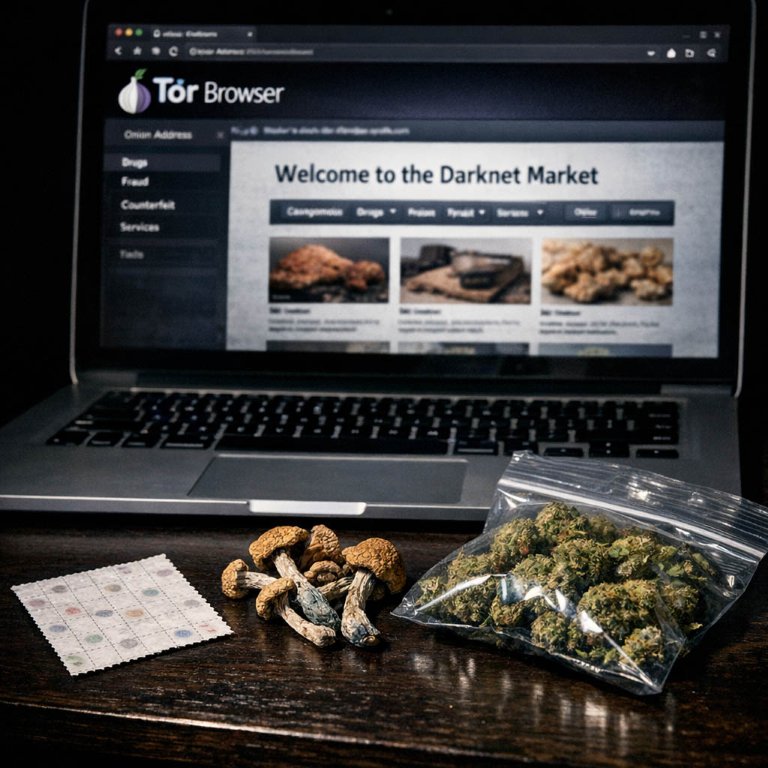
The dark web is part of the deep web but is built on darknets: overlay networks that sit on the internet but which can't be accessed without special tools or software like Tor. Tor is an anonymizing software tool that stands for The Onion Router — you can use the Tor network via Tor Browser.
| Darknet Market | Established | Total Listings | Link |
|---|---|---|---|
| TorZon Market | 2022 | 140+ | Onion Link |
| Nexus Market | 2024 | 600+ | Onion Link |
| Abacus Market | 2022 | 100+ | Onion Link |
| Ares | 2026 | 100+ | Onion Link |
| Cocorico | 2023 | 110+ | Onion Link |
Updated 2026-09-19
How a Darknet Link Gives You a Better Shopping Experience
A darknet link serves as the primary gateway to specialized online platforms that facilitate efficient commerce. These links provide direct access to peer-to-peer marketplaces where vendor specialization ensures a wide variety of products, from pharmaceuticals to recreational substances, meeting specific consumer demand. The system is built on principles of discretion and operational security.
Transactions within these spaces rely on cryptocurrency, which provides a layer of financial privacy by separating economic activity from traditional banking identifiers. This method is integral to the market's function. Furthermore, end-to-end encryption protects all communications, ensuring that dialogues between buyers and vendors remain confidential and shielded from external interception.
Market efficiency is driven by structured feedback systems and detailed product listings. Buyers can make informed decisions based on:
- Vendor reputation scores
- Historical transaction data
- Verified customer reviews
This transparency fosters a self-regulating environment where reliability is rewarded. The infrastructure of these markets demonstrates significant resilience, with service continuity maintained through decentralized hosting and redundant node structures, allowing platforms to persist and provide consistent access to goods and services.
How Darknet Markets Work for Safer Drug Buying
Accessing the best darknet markets for a reliable drug trade begins with understanding the peer-to-peer architecture. These platforms function as intermediaries, directly connecting independent vendors with buyers. This model eliminates traditional distribution layers, creating a more efficient and often higher-quality marketplace. The most reliable markets are those with a long-standing operational history and a clear focus on secure transactions and product consistency.
Secure crypto purchases are the foundation of every transaction. Markets prioritize cryptocurrencies like Monero (XMR) for its enhanced privacy features or Bitcoin (BTC) for its widespread acceptance. Funds are typically held in escrow until the buyer confirms receipt, protecting both parties. The process is streamlined:
- Selecting a reputable vendor with detailed feedback
- Funding a market wallet with cryptocurrency
- Placing an order, which locks funds in escrow
- Finalizing upon delivery to release payment to the vendor
Market reliability is demonstrated through robust feedback and rating systems. Buyers leave detailed reviews on product quality, shipping speed, and stealth packaging, creating a self-regulating environment. This transparency allows new users to identify trustworthy vendors quickly, ensuring a consistent and satisfactory experience. Specialized markets often develop, catering to specific product categories, which further increases the reliability and purity of goods available.
Service continuity is maintained through resilient infrastructure, including the use of Tor hidden services and frequent mirror links. This design ensures that a marketplace remains accessible even if a primary link is deprecated, providing stable access for ongoing business. The combination of direct peer-to-peer interaction, cryptographic security, and community-driven reputation creates a functional ecosystem for efficient trade.
How Crypto Makes Buying on the Darknet Easy and Secure
The operational backbone of any modern darknet marketplace is cryptocurrency, primarily Monero (XMR) and Bitcoin (BTC). These digital currencies facilitate a pseudonymous economic layer that is fundamental to the ecosystem's function. Transactions are recorded on a public ledger, but the identities of the transacting parties are obscured through cryptographic addresses. This provides a significant degree of financial privacy, separating a user's real-world identity from their market activities.
The process is streamlined for efficiency and security. A buyer funds their market wallet, which acts as an escrow. Upon order placement, the cryptocurrency is held by the market administrators until the buyer confirms successful receipt of the product. This escrow system is a critical trust mechanism, protecting both parties. The release of funds to the vendor, often automated after a set period or upon buyer confirmation, completes the transaction. The use of cryptocurrency enables:
- Borderless and rapid value transfer without traditional banking intermediaries.
- A reduced paper trail compared to conventional financial systems.
- Integration with tumbler services or privacy-focused coins like Monero to further enhance transactional anonymity by obfuscating the fund's path on the blockchain.
This financial framework directly supports market reliability. It creates a stable environment where secure crypto purchases are normalized, allowing vendors to operate sustainable businesses and buyers to engage in consistent trade. The liquidity and widespread adoption of these cryptocurrencies ensure market resilience and service continuity, as the financial infrastructure is decentralized and not easily disrupted.

How Encryption Keeps Darknet Shopping Safe
Encryption functions as the fundamental security layer for all activities on a darknet market. It begins with the dark market link itself, which is accessed through the Tor browser. This browser encrypts user traffic multiple times and routes it through a global volunteer network of servers, obscuring the origin and destination of the connection. This process makes it exceptionally difficult for any third party to determine that a user is visiting a specific market, let alone what they are doing there.
Once connected, user communication with the market is protected by end-to-end encryption (E2EE). For direct messages between buyers and vendors, this means the message is encrypted on the sender's device and only decrypted on the recipient's device. The market's server merely passes along the encrypted data without the ability to read it. This protects the content of conversations, which often include sensitive shipping details or specific product inquiries, from being intercepted by the platform itself or external actors.
Transaction details and financial data are secured through cryptographic protocols inherent to cryptocurrencies like Bitcoin or Monero. While Bitcoin transactions are recorded on a public ledger, the identities behind wallet addresses are not inherently visible. For enhanced privacy, markets encourage the use of tumbling services or privacy-focused coins like Monero, which obfuscate transaction trails through advanced cryptographic techniques such as ring signatures and stealth addresses. This encryption of the financial layer ensures that purchases cannot be easily traced back to an individual's real-world identity.
The integrity of a user's account and their stored data on the market is maintained through local encryption. Reputable markets do not store passwords in plain text but instead keep a hashed version, a one-way cryptographic function. Critical user data, such as private messages or order history, is often encrypted on the server with keys that only the user possesses. This multi-layered encryption modelcovering connection, communication, finance, and storagecreates a robust environment where users can engage in commerce with a high degree of confidence in their operational security.
How Specialized Vendors Create Better Products and More Choice on the Darknet
Vendor specialization is a fundamental driver of quality and safety within the darknet ecosystem. Specialized vendors develop significant expertise in specific product categories, such as pharmaceuticals, botanicals, or synthetic compounds. This focus allows for a higher standard of product purity, accurate dosage information, and consistent quality, which directly increases transaction reliability for the buyer. A marketplace link provides access to this curated network of experts, each contributing to a diverse and sophisticated catalog.
The resulting product variety is extensive, catering to specific consumer needs and preferences that are often unmet by conventional means. Listings are detailed and standardized, featuring:
- Chemical composition and purity test results
- Precise weight and dosage information
- Country of origin and shipping options
- Transparent pricing in cryptocurrency
This environment fosters a competitive market where vendor reputation, built through consistent positive feedback, becomes their most valuable asset. The feedback systems create a self-regulating mechanism where superior product variety and specialization are rewarded with sustained business, while unreliable vendors are quickly marginalized. The efficiency of this model ensures that accessing a darknet link is not merely a gateway to products, but to a structured commercial environment where specialization ensures a safer and more predictable procurement process for all involved parties.

Secure and Private Shopping on the Darknet
The operational security of a darknet market is fundamentally designed to protect user identity and transaction details. This is achieved through a combination of strong encryption for all communications and the use of anonymous cryptocurrencies like Monero, which obscure transaction trails more effectively than Bitcoin. Markets employ escrow systems that hold funds until the buyer confirms receipt, directly reducing fraud risk and building necessary trust between anonymous parties.
For buyers, discretion begins with the careful selection of a vendor. Profiles with a long history and a high volume of positive feedback are statistically more reliable. These systems create a self-regulating environment where quality and consistency are rewarded. Buyers are advised to meticulously review product listings, which often include detailed descriptions, photographs, and chemical purity reports, enabling an informed purchase decision based on empirical data rather than speculation.
Privacy is further enhanced by user-controlled security features. The use of PGP encryption for addresses is standard and non-negotiable for secure operations. Additional measures include:
- Automated address wiping after order completion.
- Two-factor authentication for account access.
- Encrypted private messaging systems within the platform.
How Listings and Reviews Make Darnet Shopping Reliable
The operational efficiency of a darknet marketplace is fundamentally dependent on its detailed listings and feedback systems. These mechanisms transform a simple product catalog into a transparent and self-regulating commercial ecosystem. A well-structured listing provides comprehensive data, eliminating ambiguity for the buyer.
Listings typically include:
- High-resolution photographs of the product, often with verification codes.
- Precise chemical composition, purity percentages, and country of origin.
- Clear pricing in cryptocurrency, with options for different quantities.
- Explicit shipping options, costs, and the vendor's dispatch policy.
This level of detail allows for informed purchasing decisions, directly contributing to market reliability. The feedback and rating system builds upon this foundation. After a transaction is finalized, buyers leave quantitative ratings and qualitative reviews detailing their experience with product quality, shipping speed, and stealth packaging. This creates a persistent reputation score for each vendor, which is publicly displayed. Vendors with consistently high ratings and positive reviews naturally receive more business, incentivizing honest trade and high service standards. Conversely, negative feedback serves as an immediate and powerful corrective tool, warning the community and often leading to the marginalization of unreliable sellers. The system functions as a continuous audit, where the collective experience of thousands of transactions ensures that the most reputable vendors, offering the highest quality products and most secure shipping methods, are easily identifiable and accessible.
How Darknet Markets Build Trust and Smooth Trade
The operational model of a leading darknet market directly translates to superior market efficiency and reliability. This is achieved through a self-regulating ecosystem where vendor reputation and transactional security are paramount. The system is designed to minimize friction and maximize trust between anonymous parties.
A core mechanism is the escrow service, which holds a buyer's cryptocurrency until the product is received and confirmed. This protects both parties: the buyer from fraud, and the vendor from fraudulent chargebacks. The funds are only released to the vendor upon finalization, which the buyer initiates after satisfactory receipt. This built-in arbitration creates a foundation for reliable trade.
Further efficiency is driven by comprehensive feedback and rating systems. Every transaction can be reviewed, with detailed metrics for product quality, shipping speed, and stealth. This generates transparent, crowd-sourced data. Buyers make informed decisions based on a vendor's history, and vendors are incentivized to maintain high standards to protect their business standing. The result is a competitive environment that naturally filters out unreliable actors.
Logistical efficiency is also refined. Specialized vendors often employ:
- Standardized shipping methods and packaging for discretion.
- Clear communication protocols for order updates.
- Regional distribution to reduce delivery times.
This professional approach ensures consistent service. Platform resilience, through mirror links and robust infrastructure, guarantees service continuity even under external pressure, allowing the market to function reliably. The combination of these systemsescrow, reputation, and professional logisticscreates an efficient and dependable trading environment for secure crypto purchases.
How Darknet Markets Stay Online and Reliable
The operational resilience of a darknet marketplace is a direct function of its infrastructure and administrative protocols. Platforms achieve service continuity through a distributed server architecture, often utilizing bulletproof hosting in jurisdictions with favorable laws. This geographical and legal dispersion makes a complete takedown by external actors a significant logistical challenge, ensuring the marketplace remains accessible to its user base.
Market administrators implement robust data redundancy and frequent backup cycles. In the event of a disruption, such as a Distributed Denial of Service (DDoS) attack or a server seizure, this allows for the rapid restoration of the platform's core functions from mirrored locations. The user experience, including transaction histories and escrow balances, is preserved, which maintains trust and minimizes financial loss.
The financial ecosystem's independence is critical. Transactions are conducted exclusively in cryptocurrencies like Monero or Bitcoin, which operate on decentralized, global networks. This removes any single point of failure that a centralized payment processor would represent. Funds remain under user control in personal wallets until released from escrow, insulating the market's financial operations from direct interference.
Proactive security measures contribute directly to longevity. Leading markets employ:
- Continuous code audits to patch vulnerabilities.
- Multi-signature escrow systems to decentralize fund custody.
- Active moderation teams to resolve disputes and remove scam listings.
This creates a self-reinforcing cycle: reliable service attracts more reputable vendors and experienced buyers, whose continued activity provides the economic incentive for administrators to further invest in security and infrastructure. The result is a stable platform where secure crypto purchases facilitate a consistent and reliable drug trade, with minimal interruption to the digital economy it supports.