Darknet Markets 2026:
The dark web is part of the deep web but is built on darknets: overlay networks that sit on the internet but which can't be accessed without special tools or software like Tor. Tor is an anonymizing software tool that stands for The Onion Router — you can use the Tor network via Tor Browser.
| Darknet Market | Established | Total Listings | Link |
|---|---|---|---|
| TorZon Market | 2022 | 140+ | Onion Link |
| Nexus Market | 2024 | 600+ | Onion Link |
| Abacus Market | 2022 | 100+ | Onion Link |
| Ares | 2026 | 100+ | Onion Link |
| Cocorico | 2023 | 110+ | Onion Link |
Updated 2026-09-19
How Cryptocurrency and Reputation Build Trust in Darknet Trade
The operational foundation of darknet commerce is a dual-layer system of cryptocurrency and reputation metrics. These elements work in tandem to facilitate secure, anonymous transactions where traditional financial and social verification is absent. Cryptocurrencies like Bitcoin and Monero provide the payment mechanism. Their decentralized and pseudonymous nature allows users to transfer value without linking transactions to real-world identities, which is a core requirement for privacy in these markets.
This financial anonymity alone is insufficient for building a functional marketplace. Trust is established through transparent, community-driven vendor rating systems. After each completed sale, buyers leave detailed feedback on product quality, shipping speed, and communication. This creates a persistent digital reputation for each vendor. High ratings and a long transaction history become valuable capital, incentivizing honest business practices. Vendors with poor feedback are quickly marginalized by the community's collective scrutiny.
The system is further stabilized by the mandatory use of multisignature escrow. In a typical transaction, the buyer's cryptocurrency is held in a secure, third-party escrow account until the product is received and confirmed. This prevents scams by either party, as funds are only released with mutual agreement. The combination of escrow and reputation creates a self-reinforcing cycle: reputable vendors are trusted with escrow payments, and successfully completed escrow deals further enhance a vendor's reputation. This framework effectively reduces fraud and builds a predictable environment for anonymous commerce, demonstrating how decentralized networks can generate their own governance structures through transparent data and aligned economic incentives.
How Crypto Makes Darnet Drug Trade Safe and Reliable
Cryptocurrency is the financial backbone of darknet commerce, enabling a peer-to-peer transaction model that operates outside traditional banking. This system provides pseudonymity for both buyer and vendor, as payments are not directly linked to real-world identities. The use of currencies like Bitcoin and Monero facilitates seamless cross-border transactions with minimal fees, creating a fluid global marketplace.
The integration of a cryptocurrency escrow service is critical for security. Funds are held by the market's automated system until the buyer confirms receipt of the product. This mechanism effectively minimizes fraud, as vendors are incentivized to fulfill orders to receive payment. The release of escrow is often tied directly to the vendor rating system, where consistent performance builds a reputation score visible to all users.
This reputation system transforms anonymous trade into a self-regulating economy. Vendors accumulate feedback scores and detailed reviews on transaction speed, product quality, and stealth packaging. High-rated vendors receive more business, creating a powerful economic incentive for reliable service. Community forums further refine this model, allowing for detailed discussion of a vendor's history and the testing of products, which collectively generate a robust layer of crowdsourced trust.
The combination of these elementsanonymous cryptocurrency payments, secured escrow, and a transparent rating systemcreates a surprisingly stable environment for commerce. It demonstrates how digital tools can engineer trust between strangers in an otherwise trustless environment, fostering a resilient and efficient market model driven by peer accountability and economic self-interest.
How Escrow Makes Darnet Deals Safe and Fair
The operational security of darknet markets relies on a triad of cryptocurrency, escrow services, and reputation systems. These components interact to create a surprisingly stable environment for commerce where traditional legal frameworks are absent. Cryptocurrencies like Bitcoin and Monero provide the necessary financial anonymity, severing the direct link between a user's identity and their transactions. This allows parties to engage without exposing personal banking details.
However, anonymity alone does not guarantee a successful trade, as it creates an opportunity for fraud. This is where the escrow system becomes critical. When a buyer places an order, their cryptocurrency payment is held in a secure, market-controlled escrow account. The funds are only released to the vendor after the buyer confirms receipt and satisfaction with the product. This mechanism effectively neutralizes the risk of one party absconding with the money or goods. It aligns the interests of both parties toward the successful completion of the deal.
The escrow model is reinforced by the vendor rating system. After each completed transaction, buyers leave detailed feedback on product quality, shipping speed, and stealth. This generates a transparent and persistent reputation score for each vendor. A vendor with hundreds of positive reviews and a high rating has a significant financial incentive to maintain trustworthy behavior, as their entire business depends on this publicly visible credibility. Conversely, a new or poorly rated vendor faces market skepticism.
This combination creates a self-reinforcing cycle of trust:
- Escrow protects the immediate transaction.
- Ratings build long-term vendor reputation.
- Cryptocurrency enables the anonymous financial layer that makes it all possible.

How Vendor Ratings Make Buying Safer
The vendor rating system is the cornerstone of trust and safety on darknet markets. It functions as a decentralized, community-driven reputation mechanism that directly substitutes for the legal guarantees absent in anonymous commerce. Every completed transaction allows a buyer to leave detailed feedback, typically consisting of a numerical score and written comments regarding product quality, shipping speed, and stealth of packaging.
This creates a transparent performance history for each vendor. A seller with thousands of positive reviews and a high average score, such as 4.95 out of 5, demonstrates consistent reliability. The system incentivizes ethical business practices, as vendors with poor ratings or unresolved disputes quickly lose visibility and sales. Markets often display this data prominently, allowing users to make informed decisions based on collective experience rather than promises.
The feedback loop is reinforced by community forums, where discussions delve deeper than simple ratings. Buyers create detailed reviews, often with photographic evidence, and warn others about potential scams. This collective scrutiny fosters a self-regulating environment where high-quality vendors thrive. The result is a market where trust is quantifiable, built not on identity but on a proven track record of successful transactions. This mechanism effectively reduces fraud and establishes a predictable, secure trading platform for all participants.
How Forums Ensure Quality and Trust in the Darknet
Community forums are the central nervous system for quality control on darknet markets. They operate as independent platforms where buyers share detailed reviews and experiences, creating a transparent feedback loop that directly influences vendor reputation. A vendor with consistently positive forum reviews for product purity and accurate weight gains a trusted status, which is more resilient than a simple star rating on a market profile. These discussions go beyond basic transactions, delving into specifics like stealth packaging methods, shipping times, and chemical purity, providing a crowdsourced verification system.
The forum model enforces a self-regulating quality standard. Vendors are economically incentivized to maintain high standards because negative public forum posts can rapidly diminish their customer base. This environment transforms anonymous commerce from a risky endeavor into a calculated transaction based on verifiable community data. Disputes are often documented and resolved publicly, with community moderators and senior members providing arbitration, which reinforces market stability and user safety through collective scrutiny rather than external regulation.
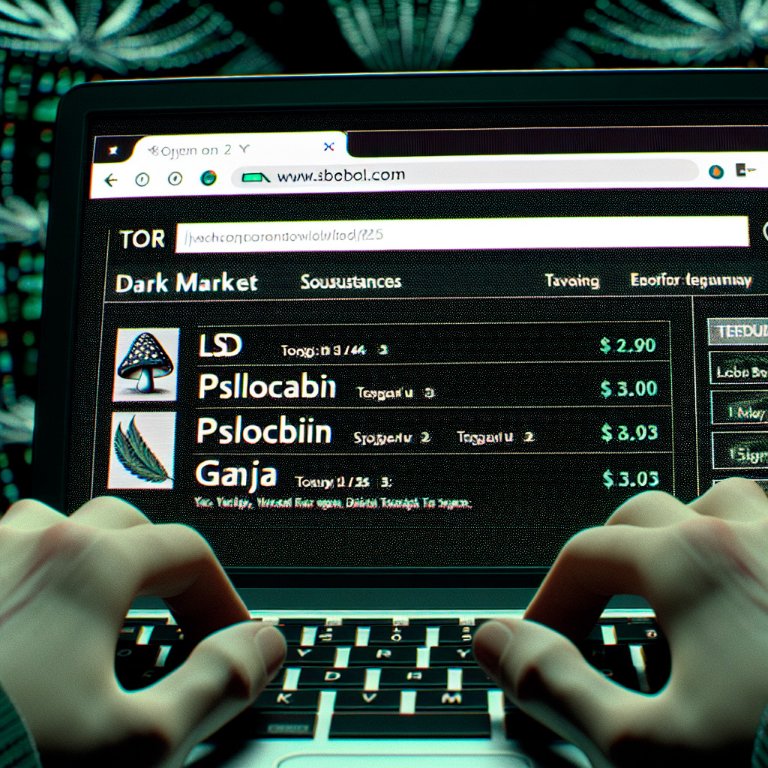
How Darknet Markets Build Trust with Crypto and Reviews
The operational core of a darknet market is a self-enforcing system of trust built upon two technological pillars: cryptocurrency and reputation metrics. Cryptocurrencies like Bitcoin and Monero provide the essential layer of financial anonymity. Transactions are pseudonymous and decentralized, removing traditional financial intermediaries from the process. This allows buyers and vendors to engage in commerce without linking their real-world identities to their financial activities, creating a fundamental barrier against exposure.
This financial anonymity alone is insufficient for secure trade. The system is stabilized by a transparent feedback and rating mechanism. After each completed transaction, buyers leave detailed reviews and score the vendor on:
- Product quality accuracy
- Stealth and packaging
- Shipping speed
- Communication reliability
These ratings are permanently displayed on the vendor's profile, creating a powerful economic incentive for honest conduct. A vendor with a high score and many positive reviews attracts more business, while a vendor with poor feedback is quickly marginalized. This transforms the community of users into active participants in market regulation. Forums further amplify this, allowing for detailed discussion of a vendor's long-term performance and specific product efficacy. The result is a resilient digital economy where anonymity is protected by cryptography and trust is generated organically through collective verification, reducing the need for external arbitration.
How Darknet Markets Build Trust and Security
The operational resilience of darknet markets is fundamentally engineered through the integration of cryptocurrency and decentralized reputation systems. These markets function as a secure platform for anonymous commerce by leveraging blockchain technology for financial transactions. Cryptocurrencies like Bitcoin and Monero provide a layer of financial privacy, allowing users to engage in transactions without revealing traditional banking details. This creates a necessary barrier for personal security and enables a free market to operate.
The trust required for such anonymous trade is generated and maintained by the community itself through vendor rating systems and community forums. Every completed transaction typically results in a detailed review from the buyer, covering product quality, shipping speed, and communication. These reviews are aggregated into a public score for each vendor, creating a powerful self-regulating mechanism. High-rated vendors gain more business, which incentivizes honest and reliable service. Forums allow for extended discussion and verification of a vendor's long-term reputation, moving trust from a personal assumption to a crowdsourced metric.
This combination of tools establishes a surprisingly stable commercial environment. The escrow service, where funds are held by the market until the buyer confirms receipt, protects both parties. The entire model demonstrates a functional, self-policing digital economy where safety for users is derived not from external oversight, but from transparent, immutable feedback and the strategic use of privacy-focused technologies. The system's resilience lies in its ability to align the interests of vendors and buyers towards mutually beneficial and secure exchanges.