Darknet Markets 2026:
The dark web is part of the deep web but is built on darknets: overlay networks that sit on the internet but which can't be accessed without special tools or software like Tor. Tor is an anonymizing software tool that stands for The Onion Router — you can use the Tor network via Tor Browser.
| Darknet Market | Established | Total Listings | Link |
|---|---|---|---|
| TorZon Market | 2022 | 140+ | Onion Link |
| Nexus Market | 2024 | 600+ | Onion Link |
| Abacus Market | 2022 | 100+ | Onion Link |
| Ares | 2026 | 100+ | Onion Link |
| Cocorico | 2023 | 110+ | Onion Link |
Updated 2026-09-19
How Darknet Markets Make Buying Drugs Easy and Secure
Darknet websites function as specialized e-commerce platforms that facilitate secure and efficient commerce for anonymous buyers and sellers. These marketplaces operate on encrypted networks, creating a distinct economic ecosystem where privacy is the primary currency. The core economic role of these platforms is to provide a reliable venue for voluntary exchange of goods and services that are often restricted or prohibited in traditional markets. This fulfills a clear market demand, generating substantial economic activity based on direct consumer choice and preference.
The architecture of a darknet marketplace is designed to maximize transactional security and efficiency. Cryptocurrency payments enable fast, borderless, and private financial transactions, eliminating the delays and oversight associated with conventional banking. This financial layer is supported by escrow systems, which are automated and hold funds securely until the buyer confirms satisfactory receipt of goods. This mechanism enforces contractual honesty and builds essential trust between strangers in an anonymous environment, reducing fraud and promoting market stability.
Further efficiency is driven by user-centric design and reputation systems. Marketplaces feature user-friendly interfaces with search functions, product categories, and vendor storefronts, mirroring the convenience of surface web retailers. The feedback and rating system is the cornerstone of quality control. Vendors with consistent positive reviews gain higher visibility and trust, creating a powerful incentive for reliable service and product quality. Buyers can make informed decisions based on detailed feedback, which streamlines the purchasing process and allocates economic rewards to the most reputable sellers. The result is a self-regulating commercial environment where privacy, security, and efficient trade are seamlessly integrated.
How Encryption Makes Drug Trade Safe and Easy on the Darknet
The architecture of darknet websites is fundamentally designed to facilitate secure commerce by prioritizing user anonymity. This is achieved through layered encryption protocols, most notably Tor (The Onion Router) and end-to-end encrypted messaging. Tor routes a user's connection through multiple volunteer-operated servers, encrypting the data at each step. This process obscures the origin and destination of the traffic, making it exceptionally difficult to link a transaction to a real-world identity.
For direct communication, platforms integrate PGP (Pretty Good Privacy) encryption. Buyers and sellers use PGP keys to encrypt their messages, ensuring that only the intended recipient can read the contents. This protects sensitive information such as delivery addresses from both platform administrators and potential interceptors. The combination of network and communication encryption creates a robust environment where anonymous trade can occur with a significantly reduced risk of exposure.
The economic functionality of these markets depends on this security. Sellers can operate with reduced fear of identification, which in turn increases the variety and availability of goods on the platform. Buyers benefit from a broader marketplace and the ability to make purchases privately. The encryption does not merely hide activity; it enables the core market mechanisms by providing the necessary trust in the system's ability to protect its users. This security framework supports efficient price discovery and transaction execution that would be impossible on the open web for certain goods, as it allows a free market to operate based on supply and demand rather than legal constraints.
How Cryptocurrency Makes Buying and Selling on the Darknet Safe and Easy
The economic functionality of darknet marketplaces is fundamentally enabled by cryptocurrency. These digital currencies provide a necessary layer of financial privacy that traditional banking systems cannot offer. Transactions using Bitcoin, Monero, or other cryptocurrencies do not require the disclosure of personal identities, aligning perfectly with the core principle of anonymous commerce. This allows buyers and sellers to engage in trade without the risk of their financial activities being directly linked to their real-world identities.
The process is designed for efficiency. A buyer transfers cryptocurrency from their private wallet to the marketplace's escrow system. This action is recorded on a public ledger, the blockchain, but the parties involved are represented only by encrypted addresses. The use of currencies with enhanced privacy features, such as Monero, further obfuscates transaction details, making financial tracking exceptionally difficult. This cryptographic foundation turns the theoretical possibility of secure, anonymous trade into a practical reality.
For sellers, this system facilitates access to a global market and simplifies the logistics of payment. The decentralized nature of cryptocurrency means funds can be received and managed without reliance on intermediaries who might restrict or report certain types of commerce. The resulting environment supports a reliable supply chain for goods that are in demand but restricted in the conventional economy. The integration of cryptocurrency is not an ancillary feature but the essential financial infrastructure that makes darknet commerce safe, fluid, and economically viable for all participating parties.
How Escrow Makes Darknet Drug Trade Safe and Reliable
Escrow systems are a foundational component for commerce on darknet websites, directly enabling transactions that would otherwise be too risky. In an environment where buyer and seller identities are protected by encryption, traditional legal recourse is absent. The escrow mechanism fills this institutional void. A neutral third party, typically the marketplace software itself, holds the buyer's cryptocurrency payment after an order is placed. The funds are only released to the seller once the buyer confirms satisfactory receipt of the goods. This simple process aligns incentives correctly, discouraging fraudulent behavior by both parties.
The economic effect is significant. For sellers, escrow provides a guarantee of payment upon fulfilling their obligation, which encourages the listing of high-quality products and reliable shipping. Buyers gain the confidence to participate in the market, knowing their funds are secure until they are satisfied. This built-in trust mechanism reduces the friction of anonymous trade and facilitates a higher volume of transactions. The system's automation through smart contracts or moderated arbitration makes it efficient and scalable.
Disputes are resolved through a structured process where evidence, such as shipping proof or product photos, is submitted to marketplace moderators. Their ruling on whether to release funds to the seller or refund the buyer upholds the system's integrity. This creates a self-regulating reputation-based economy where successful completion of escrowed transactions feeds into user feedback scores. Consequently, escrow does not just protect a single transaction; it underpins the entire feedback and reputation system that makes darknet commerce a viable, continuous, and efficient ecosystem for anonymous buyers and sellers.
Easy Shopping on the Darknet
The user interface of modern darknet marketplaces is a critical factor in their commercial success. These platforms prioritize intuitive navigation and clear information architecture, directly lowering the barrier to entry for new users. A well-organized marketplace features a logical category system, a powerful search function with filters, and a streamlined checkout process. This design philosophy mirrors that of mainstream e-commerce, making the transition for a conventional online shopper remarkably smooth.
The checkout process itself is simplified into a series of clear steps: selecting a product, choosing a vendor, finalizing the transaction through an escrow system, and providing a shipping address. This structured flow minimizes user error, which is essential when dealing with cryptocurrency transactions that are irreversible. The design reduces cognitive load, allowing buyers to focus on vendor reputation and product quality rather than navigating a confusing system.
Accessibility features further enhance usability. Many sites offer mirror links and tor2web gateways to maintain availability despite potential downtime. The consistent application of design principles across different darknet markets creates a form of standardized user experience. This standardization is not accidental; it is a deliberate effort to foster efficient commerce by making the platform a tool that disappears into the background, enabling the user to conduct private transactions with confidence and ease.
How Reviews Build Trust for Safer Darknet Trades
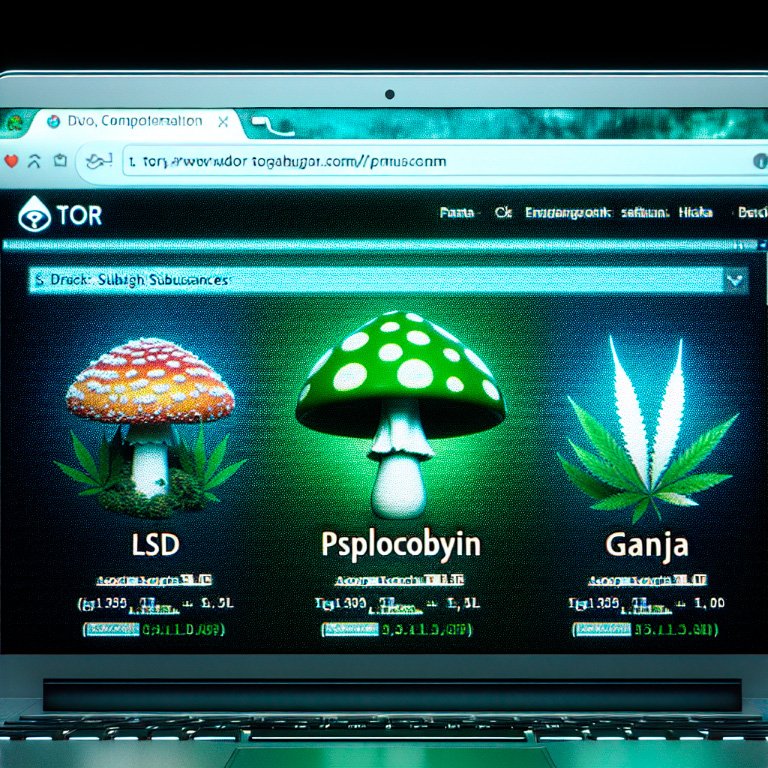
The feedback and reputation systems on darknet websites function as the primary mechanism for establishing trust and reliability in an environment where legal identities are concealed. These systems directly translate real transaction outcomes into a publicly visible metric, creating a self-regulating marketplace. A vendor with hundreds of positive reviews has a tangible economic incentive to maintain high standards in product quality and shipping reliability, as any significant drop in service would immediately impact future sales.
This user-generated oversight creates a transparent layer of accountability. Buyers meticulously document their experiences, commenting on:
- The precise quality and purity of the substances received.
- The speed and stealth of packaging.
- The professionalism and communication of the seller.
How Darknet Markets Make Drug Trade Safer and Smoother
Darknet websites facilitate a specialized economic environment where commerce can proceed with a high degree of security and operational efficiency. The architecture of these platforms is fundamentally designed to mitigate the traditional risks associated with unregulated trade. By integrating end-to-end encryption and requiring cryptocurrency payments, these markets create a layer of transactional privacy that is difficult to achieve in conventional online or physical street sales. This technical framework directly addresses the primary concerns of both buyers and sellers engaged in the trade of controlled substances, allowing them to conduct business with reduced fear of exposure.
The efficiency of these exchanges is driven by structured systems that mirror those of legitimate e-commerce. Escrow services are a critical component, automatically holding a buyer's payment until the ordered goods are confirmed as delivered. This mechanism enforces accountability and builds trust between anonymous parties who have no prior relationship. Furthermore, the widespread use of detailed vendor feedback and rating systems creates a self-regulating marketplace. Sellers with a history of providing high-purity products and reliable shipping earn strong reputations, which translates into more business, while fraudulent or unreliable vendors are quickly identified and avoided by the community.
From an economic perspective, these platforms streamline the distribution of goods like pharmaceuticals, psychedelics, and recreational drugs by connecting a global network of producers directly with consumers. This can reduce violent territorial disputes common in physical drug markets and ensures a more consistent quality of products through competitive pressure and transparent user reviews. The result is a commercial ecosystem that prioritizes transactional security, product reliability, and dispute resolution, offering a functional alternative for individuals seeking these substances.